
Naomi Marie launched in August 2023 as the public identity behind an experimental AI dating-advice product. The first product failed to convert free users into paying customers. Naomi remained.
That outcome changed the project. Naomi stopped being treated as a character attached to one application and became an owned digital personality: a defined identity supported by source assets, content systems, social channels, a website, an audience, products, and documented operating knowledge.
The distinction is central to the case study. A virtual influencer can be a feed of generated images. An owned digital personality is a broader asset with continuity across platforms, products, business models, and changes in positioning.
The first product did not become the business
The original Naomi Marie project appeared on naomimarie.ai in August 2023. The site offered AI dating advisors through a credit-based chat product. People tested the free tier, yet paid credit conversion never developed into a viable model.
The product was discontinued. The experiment still produced useful evidence:
- A recognisable digital identity could attract attention beyond the application.
- Users showed more interest in the personality than in the paid chat mechanism.
- Visual content created more distribution opportunities than the original software.
- A single use case placed an unnecessary limit on the character.
Closing the application did not require closing the identity. The name, visual direction, source files, early audience, and content history could move into a different operating model.
What an owned digital personality contains
A digital personality becomes more useful when the operator can identify the assets that sit behind the public profile. The audience sees a character. The business must manage a connected system.
Identity system
The name, appearance, voice, age range, biography, tone, visual references, and boundaries that keep the character recognisable.
Source assets
Prompt records, approved images, videos, design files, logos, website files, product files, and version history.
Distribution
Social accounts, domains, website pages, newsletter access, audience data, publishing routines, and platform-specific formats.
Commercial layer
Products, partnerships, licensing permissions, sales pages, customer records, and documented rights for commercial use.
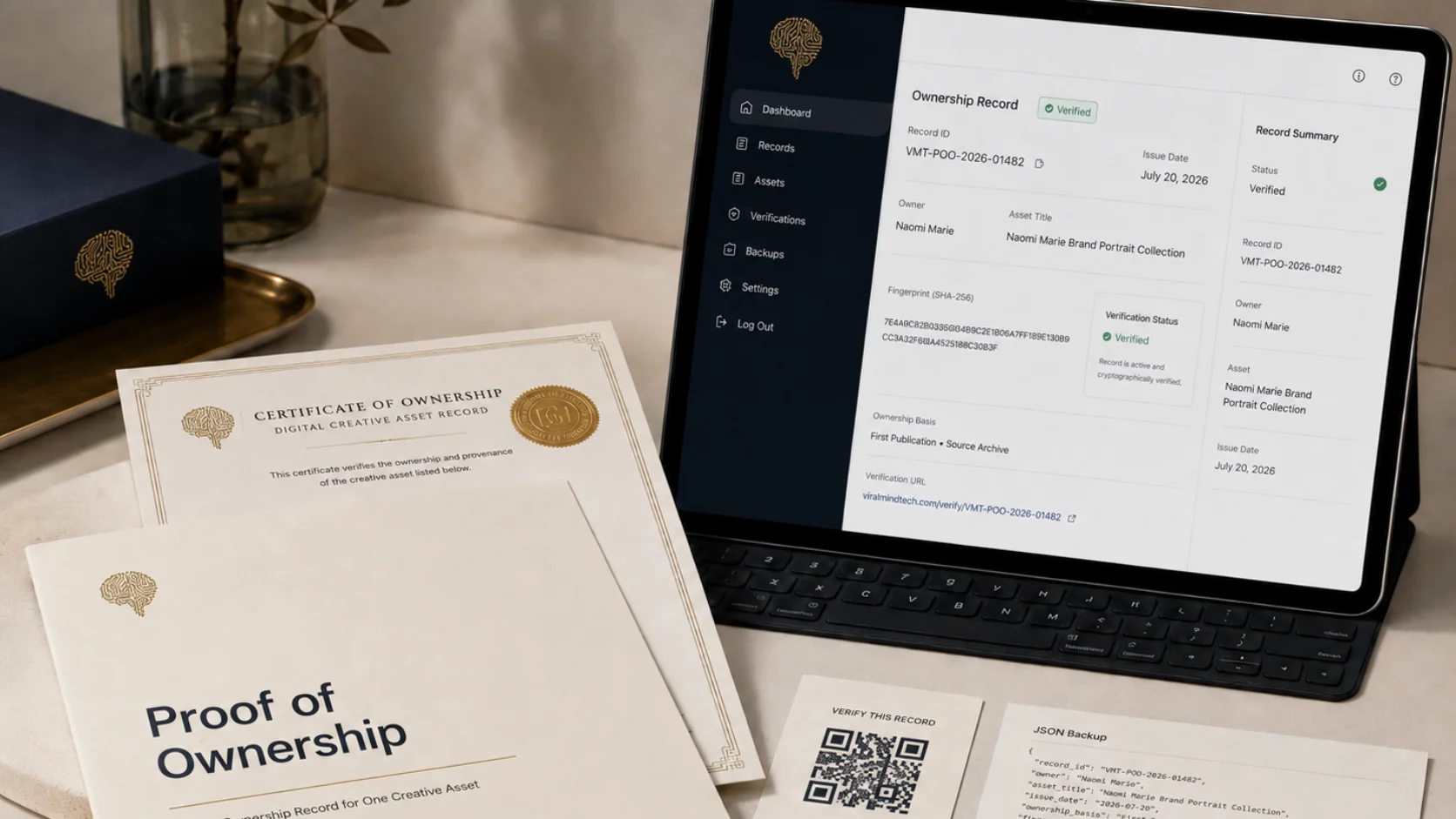
Ownership in this context describes operational control over those assets. It does not replace formal registration, contracts, platform terms, or legal review.
The audience became a live operating environment
Naomi’s social channels became a place to test how a digital personality behaves in public. The work covered visual consistency, captions, short-form video, platform tone, posting cadence, audience response, profile positioning, and calls to action.
By mid-2026, Naomi had built more than 47,000 followers across Instagram and Threads. The value of that audience was not limited to reach. Each platform produced evidence about what people recognised, ignored, questioned, shared, or connected with the character.
The same identity did not perform in the same way everywhere. Instagram rewarded visual continuity and short video. Threads supported conversation, opinions, and creator-focused observations. X produced a smaller audience and later exposed the fragility of relying on one platform. YouTube remained an early testing channel.
Operating Principle
The character should remain recognisable across channels, yet the content format must fit the behavior of each platform.
Platform reach did not equal ownership
Social growth created a common illusion: the account looked like the asset. Recommendation restrictions, changing platform rules, account reviews, and suspension risk showed a different reality.
A social profile can distribute the personality, but the platform controls access to the audience. A recommendation warning can reduce discovery. A suspended account can remove years of content from public view. A policy update can make a former content strategy unusable.
Naomi needed an owned home outside those systems. The relaunch of chatwithnaomi.com in June 2026 gave the project a canonical identity page, product layer, newsletter entry point, policy pages, and direct connection to the wider Viral Mind Technologies portfolio.
The website does not replace social distribution. It preserves the definitive version of the identity and creates a place where products, explanations, and audience relationships can survive changes elsewhere.
The positioning needed to become narrower and more accurate
Naomi passed through several public concepts during the first three years. The early dating-advice product framed her around one utility. Later experiments tested subscription content, an AI girlfriend direction, and an “AI CEO” concept.
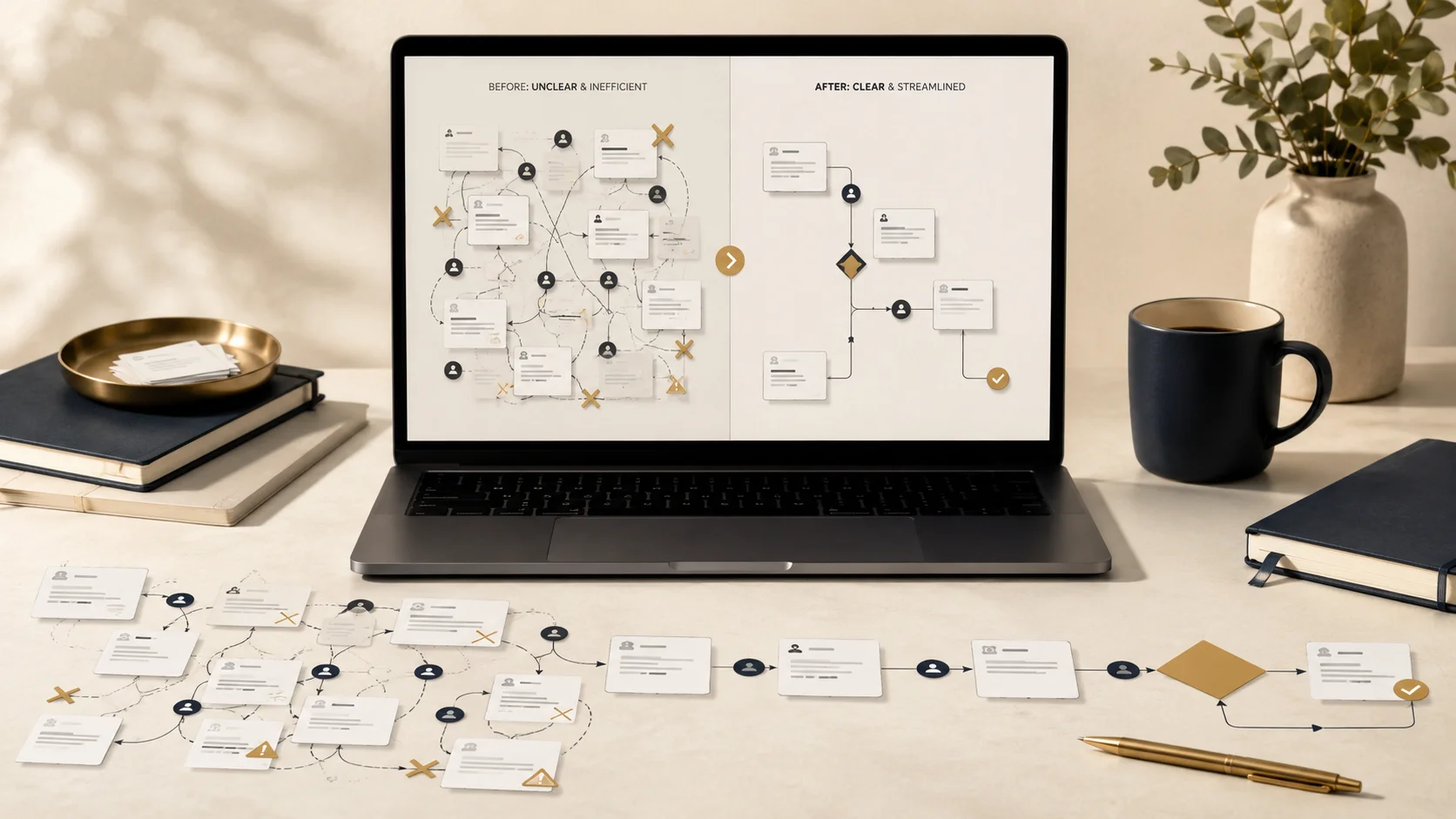
Each phase answered a question, yet the combined identity became difficult to explain. The character risked becoming a sequence of unrelated experiments rather than one coherent asset.
The 2026 repositioning defined Naomi as a consumer-facing digital personality and creator product layer inside the Viral Mind Technologies ecosystem. She is not presented as a human founder, a conventional executive, or a generic virtual model. Her role is to translate operating experience into products and public content for:
- Creators building audience-led businesses.
- Digital entrepreneurs developing owned products.
- AI influencer operators managing characters and content systems.
- Solo founders and small studios working with internet-native assets.
A narrower position gives the audience a clear reason to follow and gives the business a clearer standard for deciding which products and partnerships belong under the Naomi name.
Products gave the personality an owned commercial layer
Audience attention did not automatically become a durable business. Early subscription experiments generated some revenue, but the results were inconsistent and closely tied to platform behavior.
The newer product direction starts from documented creator work. Naomi’s Creator Manual packages systems, decisions, and lessons from building creator brands online. Naomi’s Working Files extend the manual with planning documents, hooks, profile material, launch templates, partnership pitches, and operating prompts.
A future Ask Naomi product is planned as a creator-focused assistant rather than a return to the original dating-advice application. Strategic Review links the public personality back to advisory work inside Viral Mind Technologies.
- The personality creates attention. Public content introduces the ideas and shows how Naomi thinks.
- The website provides context. Readers can see the identity, products, policies, and parent company in one place.
- The products store practical value. Knowledge is packaged into assets that can be purchased without depending on a social algorithm.
- The parent company supports deeper work. Advisory, ownership infrastructure, and portfolio operations remain under Viral Mind Technologies.
Consistency required more than a stable face
Visual continuity matters for a digital personality, but appearance is one part of consistency. Naomi needed rules for how she speaks, what she claims, which topics she covers, and where the character stops.
The working system includes:
- Approved visual references for face, hair, proportions, age presentation, and styling.
- A defined voice that is practical, direct, and informed by actual operating work.
- Clear boundaries around biography, professional claims, partnerships, and product statements.
- Content categories connected to creator assets, audience building, monetization, and platform dependence.
- Source-file and version records for significant visual and product assets.
- Policy pages and disclosures that separate the digital personality from a human public figure.
These rules reduce drift. They make it easier to review new content, brief collaborators, update the website, and explain the asset to a partner or buyer.
The operating knowledge became part of the asset
Naomi produced more than posts and follower counts. The project recorded how AI-generated character content behaves across platforms, how audiences react to different positioning, where monetization breaks, and which systems are needed to keep a digital identity coherent.
Failed experiments matter here. The first application showed that product usage did not equal payment intent. Subscription platforms showed that revenue concentration can depend on a small number of buyers. Social restrictions showed that reach can disappear without a change in content quality. Repositioning showed that an audience can become confused when the commercial role changes too often.
Those findings now inform Viral Mind Technologies’ work across creator infrastructure, ownership documentation, digital products, and portfolio strategy. The personality acts as a public brand and an internal test asset at the same time.
Lessons from building Naomi Marie
- A digital identity can outlive the first product built around it.
- Audience growth and business viability should be measured separately.
- Platform accounts distribute the asset; they should not contain the whole asset.
- Positioning changes need a clear reason and a documented transition.
- Visual consistency is weaker without voice, claims, and content rules.
- Source files, version history, domains, and product records deserve active management.
- Products create a stronger owned layer than attention alone.
- Failed tests can become valuable operating knowledge when the findings are recorded.
The main lesson is that a digital personality should be managed as a connected intellectual property system rather than a social profile with a face.
Naomi is now a personality, product layer, and operating case study
Naomi Marie now sits between public content and creator infrastructure. She gives Viral Mind Technologies a consumer-facing identity, a place to publish creator insights, a home for digital products, and a continuing record of how an owned AI influencer develops over time.
The project remains active rather than finished. The website, Creator Manual, Working Files, Ask Naomi concept, newsletter, and future partnerships can change. The core asset is more stable: a defined identity with owned channels, documented source material, an audience, products, and an explicit role inside a larger company.
That structure gives Naomi more value than a single application, campaign, social account, or monetization test could provide on its own.
Common Questions
Questions about Naomi Marie
What is Naomi Marie?
Naomi Marie is an owned digital personality created by Viral Mind Technologies. She operates as a public-facing character, audience asset, and creator product layer for creators, digital entrepreneurs, AI influencer operators, and internet-native builders.
Is Naomi Marie a real person?
No. Naomi Marie is a digital personality rather than a human public figure. Her visual identity, content, website, social channels, and products are developed and operated by Viral Mind Technologies.
What makes Naomi Marie an owned digital asset?
The company controls the brand identity, domains, source files, content archive, product rights, social channels, website, and commercial use, subject to platform terms and applicable agreements. Formal registrations and contracts remain separate legal matters.